
The digital world is expanding exponentially, and with it, the demand for skilled professionals who can build, maintain, and troubleshoot the underlying infrastructure that powers it all. This leads many students, especially those after 10th/12th or ITI/diploma holders, to ask: Is a hardware networking career a good choice in 2025?
The short answer is: Yes, it can be. But like any career path, it has its pros and cons. Let’s delve into the details to provide a comprehensive understanding of the field of computer hardware and networking and help you decide if it’s the right fit for you.
Understanding Hardware and Networking
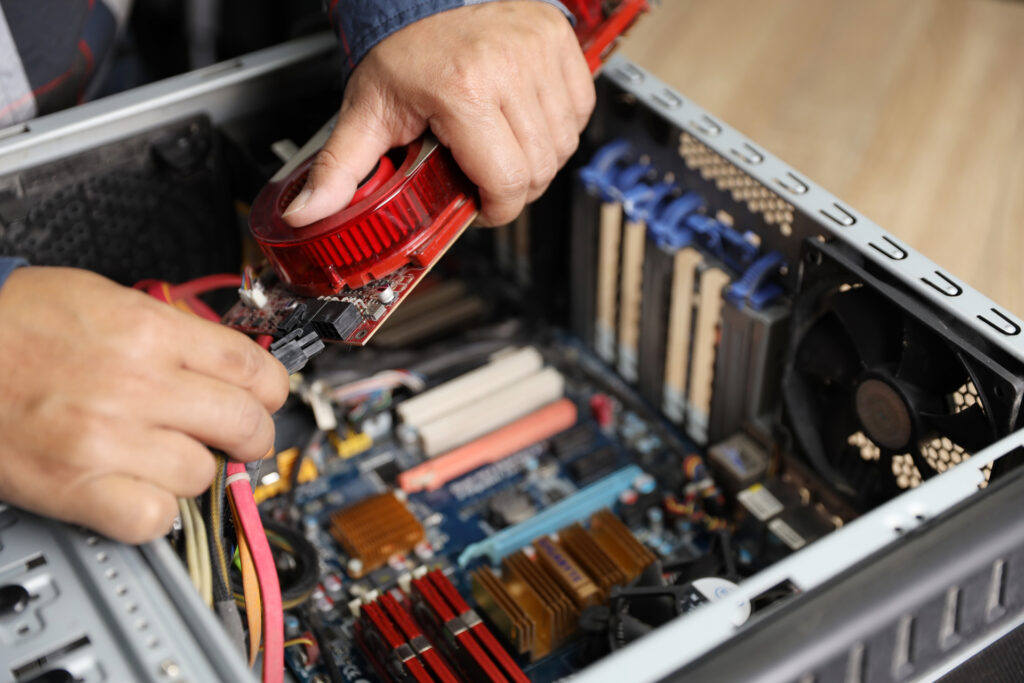
Hardware and networking encompasses the physical components of computer systems (hardware) and the infrastructure that allows these systems to communicate with each other (networking). This includes everything from the internal workings of a computer to the complex networks that connect businesses and the internet.
A professional in this field might be responsible for:
- Installing and configuring computer hardware, operating systems, and applications.
- Designing, implementing, and maintaining network infrastructure (LANs, WANs, etc.).
- Troubleshooting hardware and network issues.
- Ensuring network security.
- Managing and monitoring network performance.
- Staying up-to-date with the latest technologies.
The Scope and Demand in 2025
The future looks promising for the hardware and networking field. Several factors contribute to this positive outlook:
- Increasing Reliance on Technology: Businesses across all sectors are increasingly dependent on robust and reliable IT infrastructure.
- Growth of Cloud Computing: Cloud services rely heavily on networking infrastructure, creating a constant need for skilled professionals to manage and maintain these complex systems.
- Internet of Things (IoT): The proliferation of IoT devices is generating massive amounts of data, requiring sophisticated network infrastructure and skilled personnel to manage it.
- Cybersecurity Threats: The growing threat of cyberattacks necessitates skilled networking professionals who can implement and maintain security measures.
- Remote Work: The increasing popularity of remote work has put a strain on existing network infrastructure, which creates increasing demand for skilled professionals.
These trends indicate a strong and sustained demand for skilled hardware and networking professionals in 2025 and beyond.
Pros of a Hardware Networking Career
- High Demand: As mentioned above, the demand for skilled professionals in this field is consistently high.
- Good Earning Potential: The hardware and networking salary in India, and globally, is competitive and can increase significantly with experience and specialized skills.
- Variety of Job Roles: This field offers a wide range of job roles, from entry-level technician positions to senior network engineer and architect roles.
- Opportunities for Advancement: With experience and certifications, you can advance to higher-level positions with greater responsibilities and higher salaries.
- Intellectual Stimulation: This field is constantly evolving, requiring continuous learning and problem-solving, making it intellectually stimulating for those who enjoy technology.
- Essential for Businesses: You will be playing a crucial role in enabling businesses to operate efficiently and effectively.
- Globally Applicable Skills: The skills you acquire are often transferable across different industries and geographical locations.
Cons of a Hardware Networking Career
- Constant Learning: The technology landscape is constantly changing, requiring continuous learning and upskilling to stay relevant.
- Stressful Environment: Troubleshooting network issues can be stressful, especially when dealing with critical systems.
- On-Call Requirements: Some positions may require on-call availability to address urgent network issues outside of regular business hours.
- Physical Demands: Some tasks may involve physical work, such as installing and configuring hardware.
- Competition: While demand is high, there is also competition for the best jobs, requiring you to stand out with relevant skills and certifications.
- Potential for Repetitive Tasks: Some entry-level positions may involve repetitive tasks, such as cabling and hardware installation.
Job Types in Hardware and Networking
The hardware and networking field offers a diverse range of job roles. Here are some common examples:
- Network Technician: Installs, configures, and maintains network hardware and software.
- Help Desk Technician: Provides technical support to end-users, troubleshooting hardware and software issues.
- System Administrator: Manages and maintains computer systems and servers.
- Network Administrator: Manages and maintains network infrastructure, including routers, switches, and firewalls.
- Network Engineer: Designs, implements, and manages complex network infrastructure.
- Network Architect: Designs and plans network infrastructure for large organizations.
- Cybersecurity Analyst: Protects computer systems and networks from cyber threats.
- Cloud Engineer: Manages and maintains cloud infrastructure.
- Data Center Technician: Maintains and repairs equipment in data centers.
Salary Expectations in India
The hardware and networking salary in India varies depending on factors such as experience, skills, location, and the size of the company. Here’s a general overview:
| Experience Level | Average Annual Salary (INR) |
|---|---|
| Entry-Level (0-2 years) | ₹2.5 Lakhs – ₹4 Lakhs |
| Mid-Level (2-5 years) | ₹4 Lakhs – ₹7 Lakhs |
| Senior-Level (5+ years) | ₹7 Lakhs – ₹15 Lakhs+ |
These figures are approximate and can vary significantly. Specialized skills, such as cybersecurity or cloud computing, often command higher salaries.
Education and Training
While a formal degree is not always required for entry-level positions, obtaining relevant certifications and completing networking course after 12th or a diploma can significantly improve your career prospects and earning potential. Some popular certifications include:
- CompTIA A+
- CompTIA Network+
- Cisco Certified Network Associate (CCNA)
- Microsoft Certified: Azure Network Engineer Associate
These and other courses can be found at institutions like https://mcatcomputer.com/computer-hardware-course-in-mumbai/.
Is it the Right Career for You?
To determine if a hardware and networking career is right for you, consider the following:
- Interest in Technology: Are you passionate about computers, networks, and technology in general?
- Problem-Solving Skills: Do you enjoy troubleshooting technical issues and finding solutions?
- Analytical Thinking: Are you able to analyze complex problems and identify root causes?
- Communication Skills: Can you effectively communicate technical information to both technical and non-technical audiences?
- Continuous Learning: Are you willing to commit to continuous learning and upskilling throughout your career?
If you answered yes to most of these questions, then a hardware and networking career may be a good fit for you.
What Skills are Important?
Here are some important skills for this career.
- Hardware Installation and Repair
- Networking Concepts (TCP/IP, DNS, DHCP)
- Operating Systems (Windows, Linux)
- Network Security Principles
- Troubleshooting and Problem-Solving
- Virtualization Technologies (VMware, Hyper-V)
- Cloud Computing Platforms (AWS, Azure, Google Cloud) (increasingly important)
- Scripting (Python, PowerShell) (increasingly important)
- Communication Skills
- Customer Service Skills
Getting Started
Here’s a step-by-step guide on how to get started in a hardware and networking career:
- Assess Your Interests and Skills: Determine if you have the aptitude and passion for this field.
- Gain Foundational Knowledge: Enroll in a networking course after 12th or pursue a diploma in computer science or related field.
- Obtain Relevant Certifications: Pursue industry-recognized certifications to validate your skills and knowledge.
- Gain Practical Experience: Seek internships or entry-level positions to gain hands-on experience.
- Build Your Network: Attend industry events and connect with other professionals in the field.
- Stay Up-to-Date: Continuously learn about new technologies and trends in the industry.
Conclusion
A career in hardware and networking can be a rewarding and lucrative path for individuals who are passionate about technology and enjoy problem-solving. While it requires continuous learning and can be demanding at times, the high demand for skilled professionals and the potential for career advancement make it a compelling option. By acquiring the necessary skills and certifications, and by staying up-to-date with the latest trends, you can position yourself for success in this dynamic and ever-evolving field. As Bill Gates once said,
“The advance of technology is based on making it fit in so that you don’t really even notice it, so it’s part of everyday life.”
This “fitting in” requires constant maintenance, upgrades, and security – all services provided by skilled hardware and networking professionals.
FAQs
Q: Is a degree necessary to get a job in hardware and networking?
A: While a degree can be helpful, it’s not always necessary. Relevant certifications and practical experience can often be sufficient to land an entry-level position.
Q: What is the best networking certification to get?
A: The best certification depends on your career goals. CCNA is a good starting point for network administration, while certifications like CompTIA Security+ are beneficial for cybersecurity roles.
Q: How can I gain practical experience in hardware and networking?
A: You can gain practical experience through internships, volunteering for IT-related tasks, building your own home network, or working on personal projects.
Q: What are the most in-demand skills in hardware and networking?
A: Some of the most in-demand skills include cloud computing skills, cybersecurity skills, network automation skills, and virtualization skills.
Q: Is it possible to switch careers to hardware and networking?
A: Yes, it is possible. With the right training and certifications, individuals from other fields can successfully transition to hardware and networking careers.